Your cart
There are no more items in your cart

Beach Tennis vs Pop Tennis: What’s the Difference?
At All For Padel, we closely follow how racket and paddle sports continue to evolve. Two games that are often compared are Beach Tennis and Pop Tennis. While both are fast, social, and accessible, they differ in how and where they are played. Understanding these differences can help players choose the option that best fits their style, environment, and expectations.
What Is Beach Tennis?
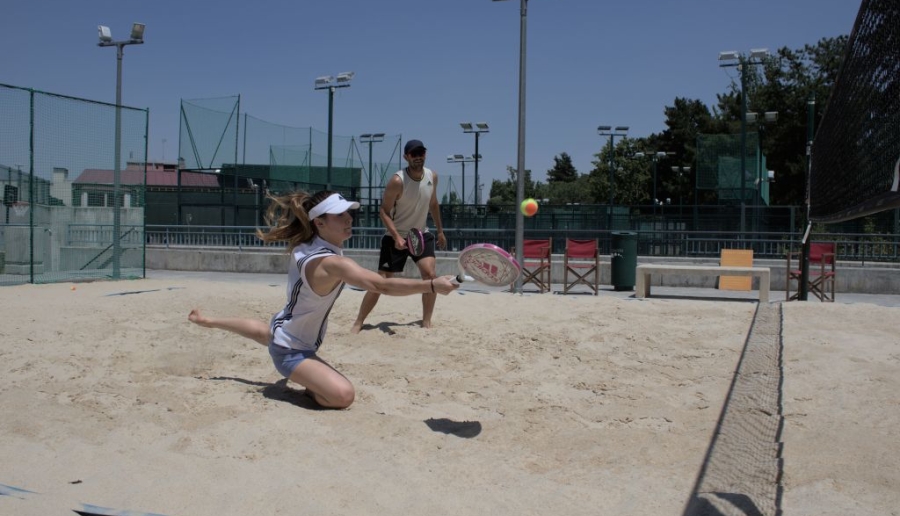
Beach Tennis is played on sand, typically on a beach or a dedicated sand court. The game mixes elements of tennis, volleyball, and paddle sports, with rallies played entirely in the air.
Key characteristics of Beach Tennis:
-
Played on sand
-
No bounce allowed (volleys only)
-
Net height similar to volleyball
-
Usually played in doubles
-
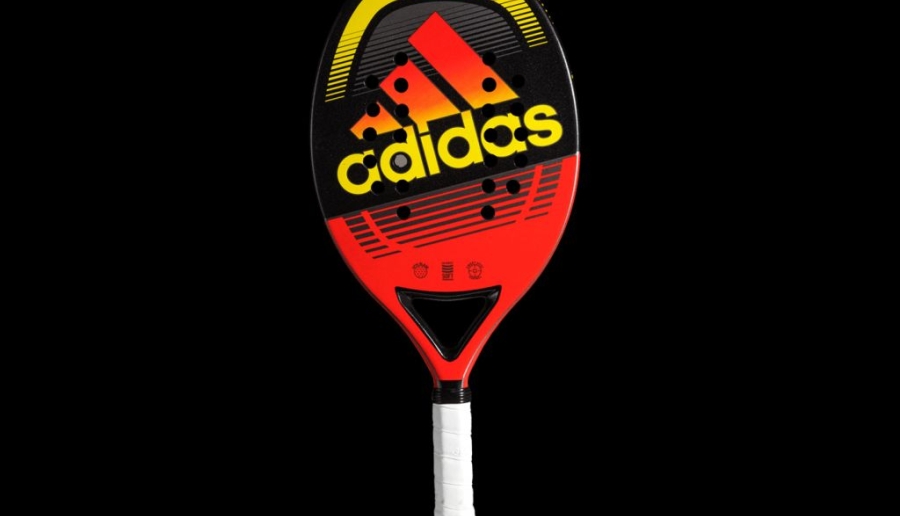
Uses a solid paddle (no strings) and a low-compression ball
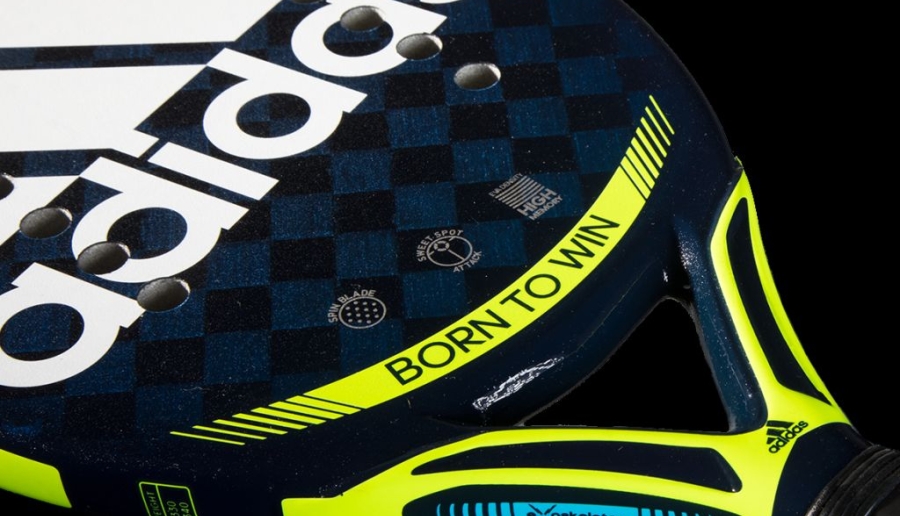
Because the ball never touches the ground, Beach Tennis focuses on quick reactions, positioning, and net play. This style of play is closely linked to the use of beach tennis rackets, which are designed for control, fast handling, and aerial shots on sand.
What Is Pop Tennis?
Pop Tennis (formerly known as Paddle Tennis in the United States) is played on a hard court, similar in size to a smaller tennis court. Unlike Beach Tennis, the ball is allowed to bounce once before being returned.
Key characteristics of Pop Tennis:
-
Played on a hard court
-
One bounce allowed
-
Lower net than traditional tennis
-
Played in singles or doubles
-
Uses a solid paddle and a depressurized tennis ball
Pop Tennis offers a more controlled, ground-based style of play, with longer rallies and an emphasis on placement, consistency, and decision-making.
What Beach Tennis and Pop Tennis Have in Common
Despite their differences, the two sports share several similarities:
-
Both use solid paddles instead of strung rackets
-
Both are easy to learn and welcoming for new players
-
Both rely on touch, control, and quick reactions
-
Both are popular in social and competitive settings
These shared traits make it easy for players to move between the two sports.
Key Differences at a Glance
Playing Surface
-
Beach Tennis: Sand
-
Pop Tennis: Hard court
Bounce Rule
-
Beach Tennis: No bounce
-
Pop Tennis: One bounce allowed
Style of Play
-
Beach Tennis: Fast, aerial, and explosive
-
Pop Tennis: Tactical, controlled, and rally-focused
Physical Demand
-
Beach Tennis: Higher impact due to sand movement
-
Pop Tennis: Lower impact with more efficient footwork
Environment
-
Beach Tennis: Outdoor, beach-focused settings
-
Pop Tennis: Clubs, parks, and community courts
Which One Should You Try?
-
Choose Beach Tennis if you enjoy fast action, net play, and the physical challenge of playing on sand.
-
Choose Pop Tennis if you prefer longer rallies, court positioning, and a tennis-like feel with simpler equipment.
Many players enjoy both, as each develops different skills while keeping the game social and engaging.
Two Sports, Two Ways to Play
Beach Tennis and Pop Tennis show how racket sports continue to adapt toward more accessible and social ways to play. Whether on sand or hard court, both offer a fun, modern approach to staying active and competitive.
At All For Padel, we continue to follow the growth of emerging racket sports and help players discover new ways to play with the right equipment and insight.